Forgotten Mounds Hold New Secrets (S13) | The Curse of Oak Island
After years of dead ends, collapsing shafts, and unanswered questions, the team on The Curse of Oak Island may have just uncovered one of the most explosive discoveries in the history of the island — and it came from a pile of dirt everyone thought had already been exhausted decades ago.
What began as a routine search through the infamous “Dunfield spoils” suddenly turned into a moment that left the entire fellowship stunned.
While scanning several mounds of earth excavated by treasure hunter Robert Dunfield back in 1965, metal-detecting expert Katya Drayton received a powerful signal buried deep inside the forgotten spoil piles south of the Money Pit. Within seconds, excitement exploded across the site.
Then came the words nobody expected to hear.
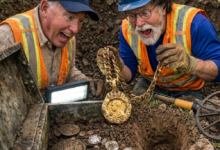



“I think that we just found a silver coin.”
The discovery instantly sent shockwaves through the operation.
For years, the Oak Island team — led by brothers Rick Lagina and Marty Lagina — has searched for evidence proving that valuable treasure once existed beneath the mysterious island. But this find felt different.
Very different.
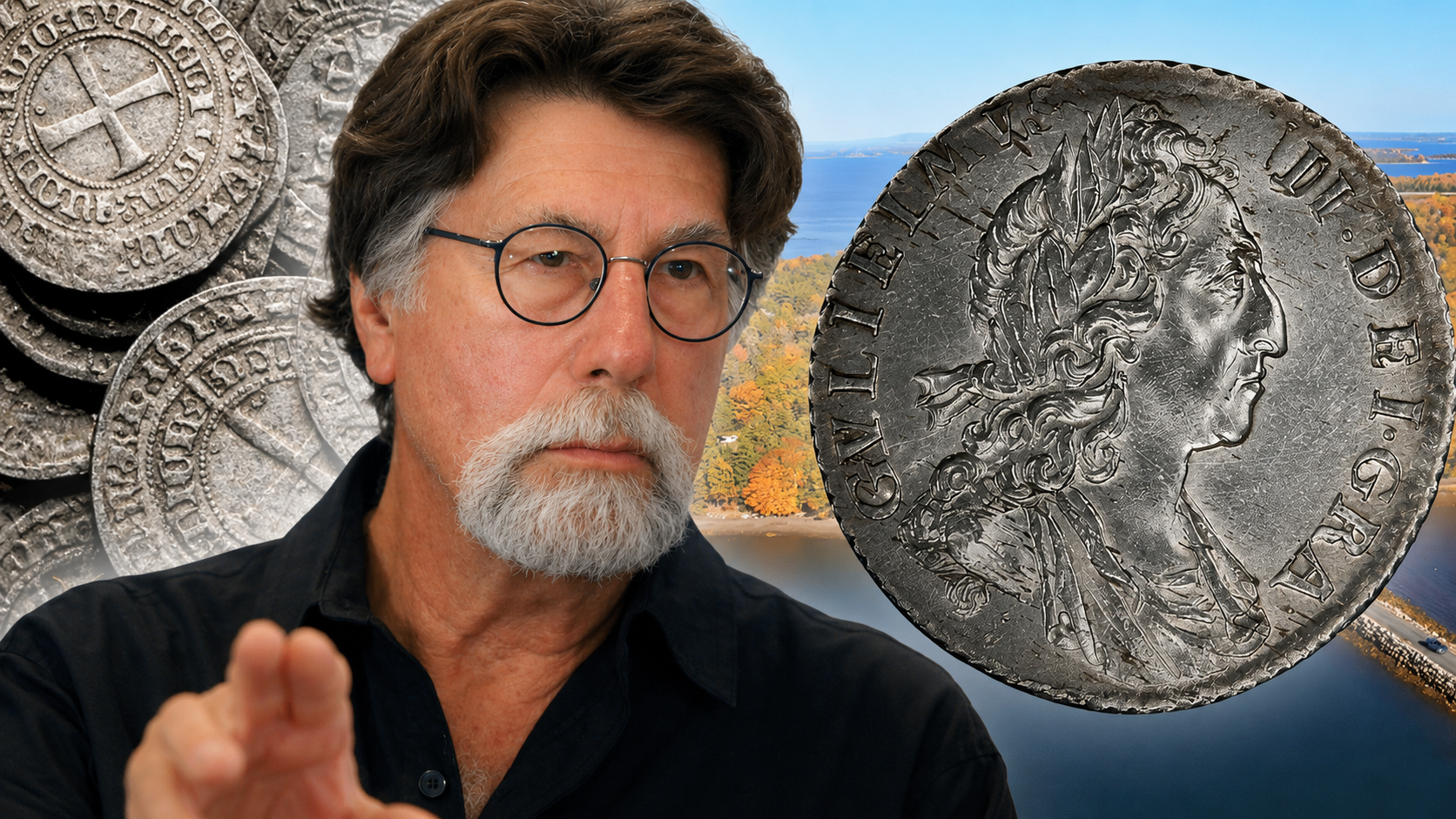
Unlike modern coins, this artifact lacked milled edges, a detail that immediately suggested extreme age. Experts quickly connected the design to coins minted before Sir Isaac Newton introduced anti-counterfeiting edge technology at the Royal Mint in the late 1600s.
That realization changed everything.
Back at the laboratory, fan-favorite researcher Emma Culligan conducted advanced CT scans and metallurgical analysis on the badly worn artifact. The result stunned everyone in the room.
The coin was confirmed to be an 87% silver alloy.
But the biggest shock came moments later.
After overlaying the CT images against historical databases, Emma identified what she called an “exact match” to an English sixpence belonging to King William III — dating the coin between 1697 and 1701.
That’s more than ONE HUNDRED YEARS before the Money Pit was officially discovered.
Silence filled the room as the implications sank in.
“This is a big deal,” Marty admitted.
And he wasn’t exaggerating.
According to the team, ordinary laborers in the late 1600s rarely carried silver currency, leading researchers to believe the owner of the coin may have been a wealthy individual tied directly to whatever operation once took place on Oak Island.
Was this the coin of an original depositor?
A member of a secret expedition?
Or proof that unknown treasure hunters were searching the island long before history officially recorded it?
The find raises terrifying new questions.
Even more intriguing is WHERE the coin was found — inside the discarded spoils from Dunfield’s massive excavation project. That means priceless clues may have been sitting unnoticed for nearly 60 years, buried in piles everyone assumed were worthless.
And if one silver coin survived the chaos…
What else is still hiding there?
The discovery also reignited speculation surrounding the mysterious silver traces previously detected underground by Dr. Ian Spooner’s scientific water testing near the Money Pit area. Fans immediately began theorizing that the island could still contain hidden caches of treasure buried beneath centuries of collapsed tunnels and flood systems.
Some viewers are now convinced the legendary “Portuguese treasure” theory may finally be gaining credibility.
Meanwhile, Rick Lagina appeared deeply emotional as the season came to a close, calling the silver coin “treasure from the Money Pit spoils” and declaring that the discovery validates the team’s relentless mission.
But perhaps the most touching moment came during the final fellowship meeting of the year.
Holding up a one-ounce Canadian gold maple leaf coin, Marty Lagina told the group that while everyone continues searching for gold underground, the real treasure may actually be the people standing beside him.
It was an emotional ending to another exhausting season filled with breakthroughs, frustrations, and unanswered mysteries.
Still, Rick made one thing crystal clear before leaving the island:
He refuses to stop.
“We did not solve the mystery,” he admitted. “But we added chapters upon chapters of information.”
And judging by this shocking silver discovery, Oak Island may finally be getting dangerously close to revealing secrets buried for more than 300 years.